Appetizers – The One Bite Rule 2

Many of us prefer appetizers to the main course. Canapés are a great solution. Easy to make. Easy to serve. And most importantly, easy to eat. You have to love Canapés.

I have a “One Bite Rule” for eating while standing at a party. The rule is to stay away from anything that takes more than one bite to eat. The reason is simple, multiple bites of just about anything can get sloppy when trying eat, drink and converse while standing. The genesis of this rule dates back to a corporate cocktail party when I was thirty. A pesky BBQ chicken wing slipped out of my mouth and onto my tie. From that embarrassing moment on, I have lived by the one bite rule and still avoid chicken wings. Canapés are a simple solution to the “One Bite Rule”.”

If you can come up with a low carb solution for Canapés, you will have a winner. The problem with Canapés is that they are usually served on bread. I have tried serving them on cucumber and zucchini rounds with mixed results. Recently, I have worked on using Parmesan Crisps and low carb crackers. The parmesan crisps were a winner. Low carb crackers (based on almond flour) are pretty good. Combine with delicious toppings and you can’t go wrong.

We have been to a few weddings lately. The staple of every good wedding cocktail hour is an array of good Canapés. Those weddings inspired the following menu.

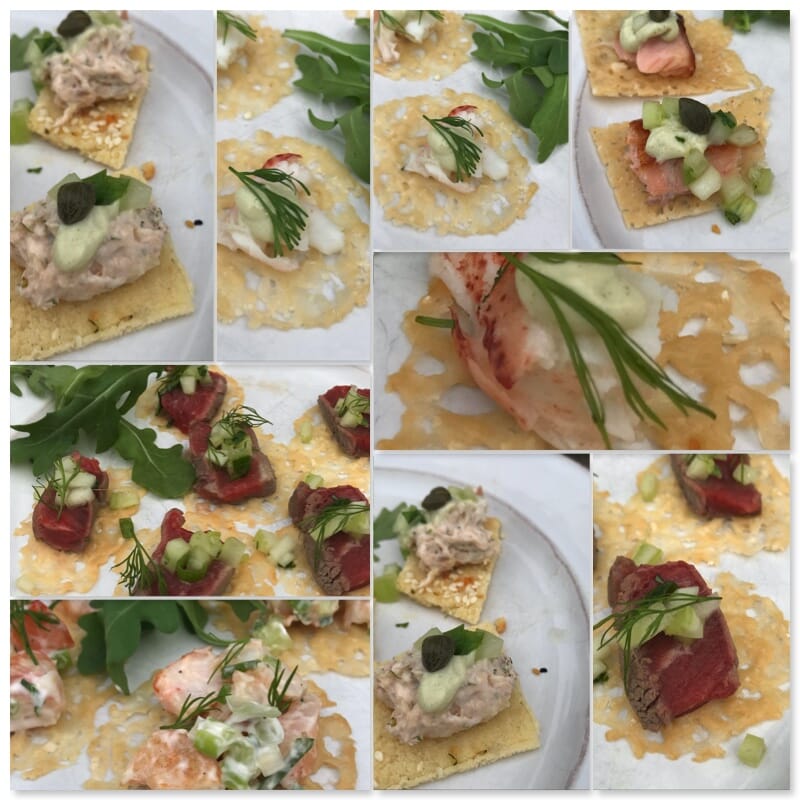
Flora Wedding Canapés

Canapés Menu

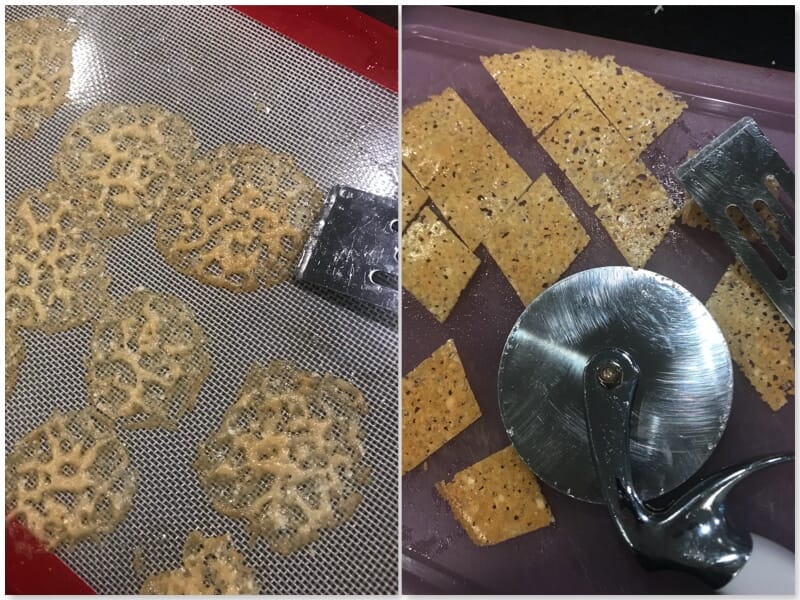
Parmesan Crisps

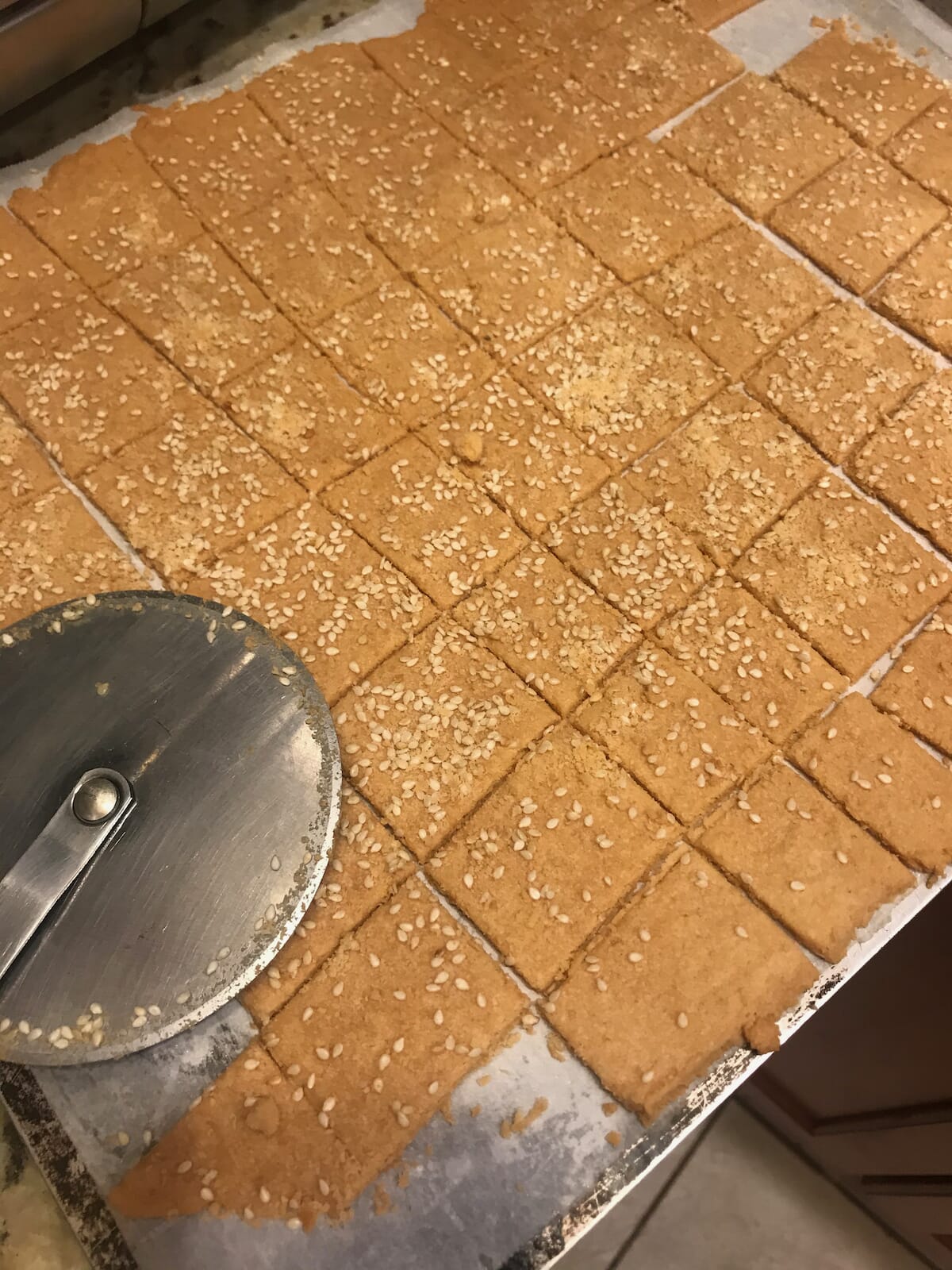
Low Carb Crackers

Shrimp Salad on Parmesan Crisp Rounds

Smoked Salmon Spread on Low  Carb Crackers

Smoked Salmon with Wasabi Cream and Capers on Parmesan Crisp Squares

Seared Sea Scallop with Wasabi Cream and Dill on Parmesan Crisp Rounds

Seared Beef Fillet Mignon with Cucumber/Celery/Scallion Melange and Dill on Parmesan Crisp Rounds

Poached lobster with Wasabi Cream and Dill on Parmesan Crisp Rounds
Two versions of Parmesan Crisps (Rounds & Squares
Low Carb Crackers
We had a neighborhood supper club dinner party this week and a Canapés with a Spicy Shrimp Remoulade. The Canapés were a big hit. One of the reasons were the excellent texture of the pumpernickel round baked with a molasses butter. Not exactly low carb, but boy were they tasty. Once again, low carb is trendy, but sometimes the combination of carbs and fat can’t be beat.


Spicy Shrimp Remoulade Canapés

If you enjoyed this blog and similar other stories/supper club lessons follow me on Facebook and Twitter and subscribe to get future blogs at www.impromptufridaynights.com/blog and check out my book Impromptu Friday Nights a Guide to Supper Clubs. Published by Morgan James Publishing and available through most channels where books are sold.

 

Fresh Herbs From The Garden 3

Nothing says summer more than fresh herbs from your garden. And, nothing adds to the color, flavor and presentation impact   of a dish like fresh herbs. It doesn’t matter if you are cooking for two or appetizers for twenty, make sure you add fresh herbs to your dish.

I always have a supply of herbs on hand. Summertime is great as many herbs are perennials that come back year after year and are plentiful.


(Maya garding the garden with fennel, sage and oregano in the background)

We even keep a few herbs growing in the windowsill through the winter. Whenever we entertain, I keep jarfuls of 2 or 3 herbs next to my prep area for use and a mixture of chopped herbs in a container as part of my mise en place.

(herbs on the windowsill)

I do have a confession to make, I haven’t always been a fresh herb fan. As a child I remember begging my mother not to ruin my plate of soup with parsley. My sister tells the story of taking her daughter Emily to a special restaurants and having her insist to the waiter that she didn’t want any green stuff on her food. I am proud to say that even the picky Emily recently sent me a picture of her grilled pizza creation with green stuff – fresh basil. Yeah Emily!

Some of the major herbs consist of:

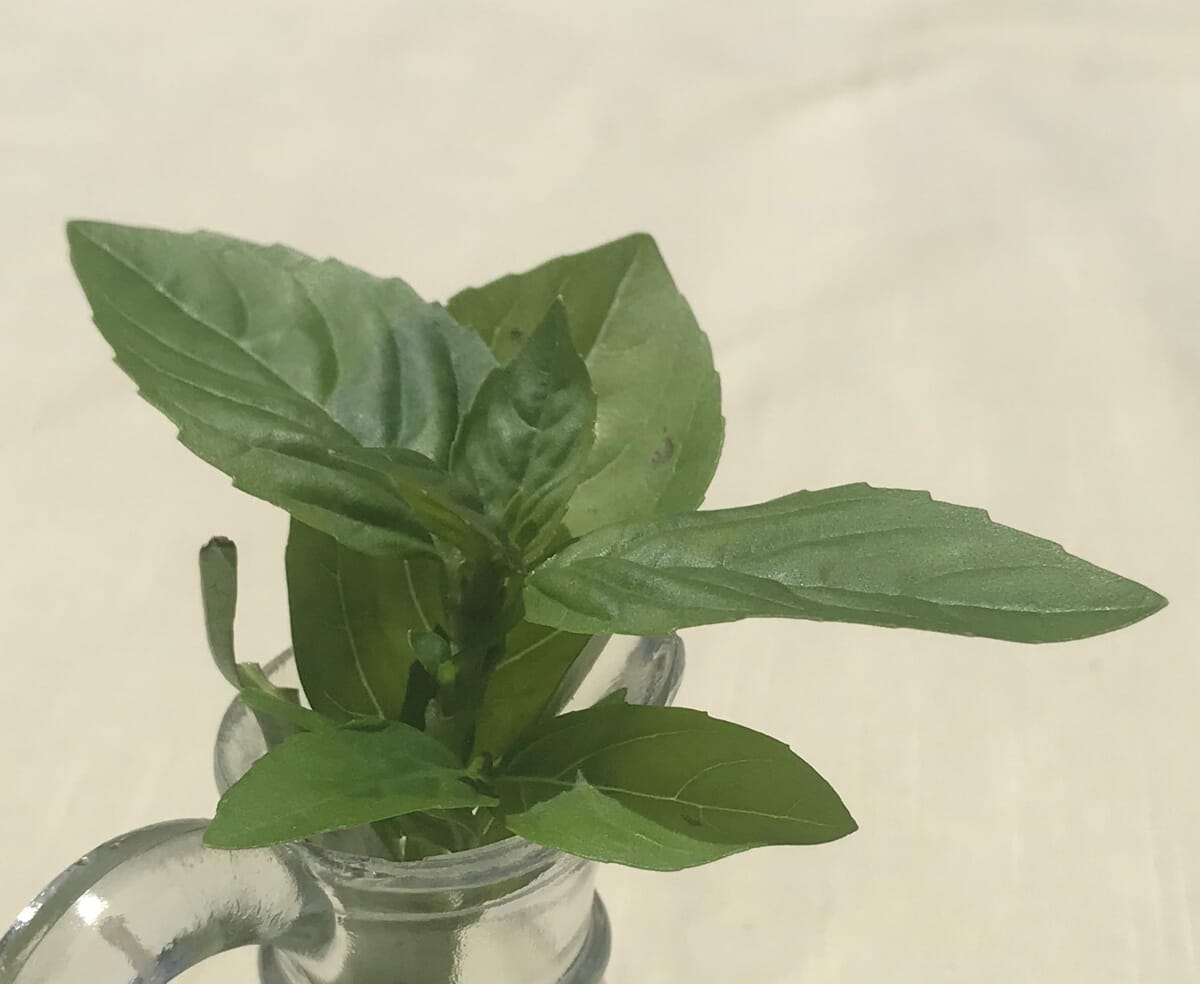
Basil – There are numerous kinds of basil including spicy and sweet basil. Basil adds a unique flavor and character to many dishes. It’s usually mixed with tomatoes and other vegetables in French food. It also adds zest to pasta dishes and other delicacies.


French Tarragon – This smells like anise. It’s widely used in French seafood dishes. It blends well with the rich taste of fish, shrimp and other seafood, while adding a distinct and memorable flavor that makes the dish even more enticing.

Thyme – Thyme comes in many flavors and is a very versatile herb. It can add zesty flavor to a wide variety of stews, meats, soups, seafood, dressings, sauces and more. It can also be used in marinating meats and seafood so that when you cook them, it brings out the natural flavor of the dish while infusing its own distinct taste.


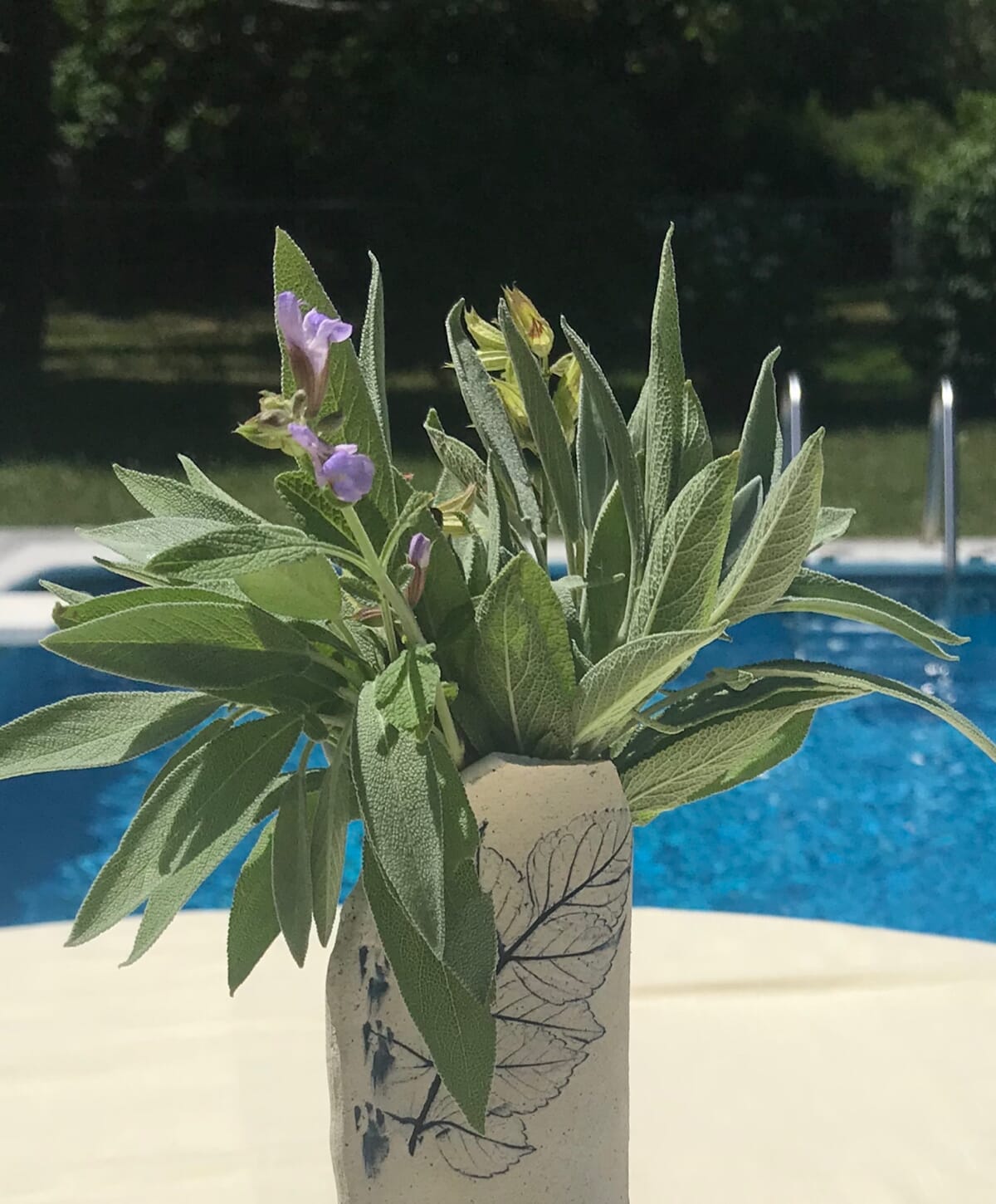
Sage – Sage has been around since the Roman times and is unique in that it’s one of the few herbs whose flavor gets stronger as it dries further. Its subtle but tasty flavor is great for salad dressings, soups and sauces. It’s best to add sage at the final stage of cooking.


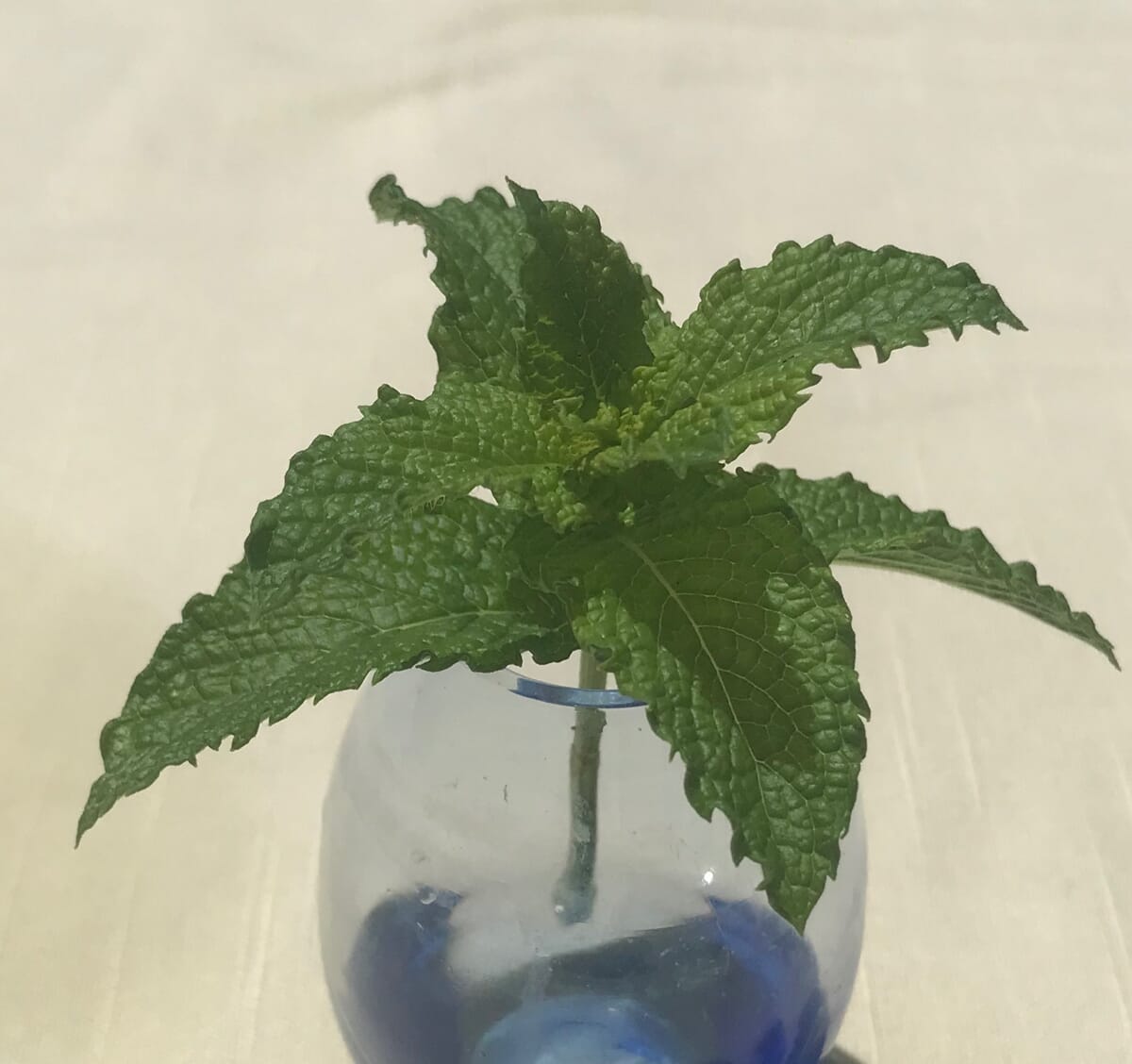
Mint – Fresh mint adds that cool and refreshing flavor to any dish. Even water is made even better if you add some mint leaves.

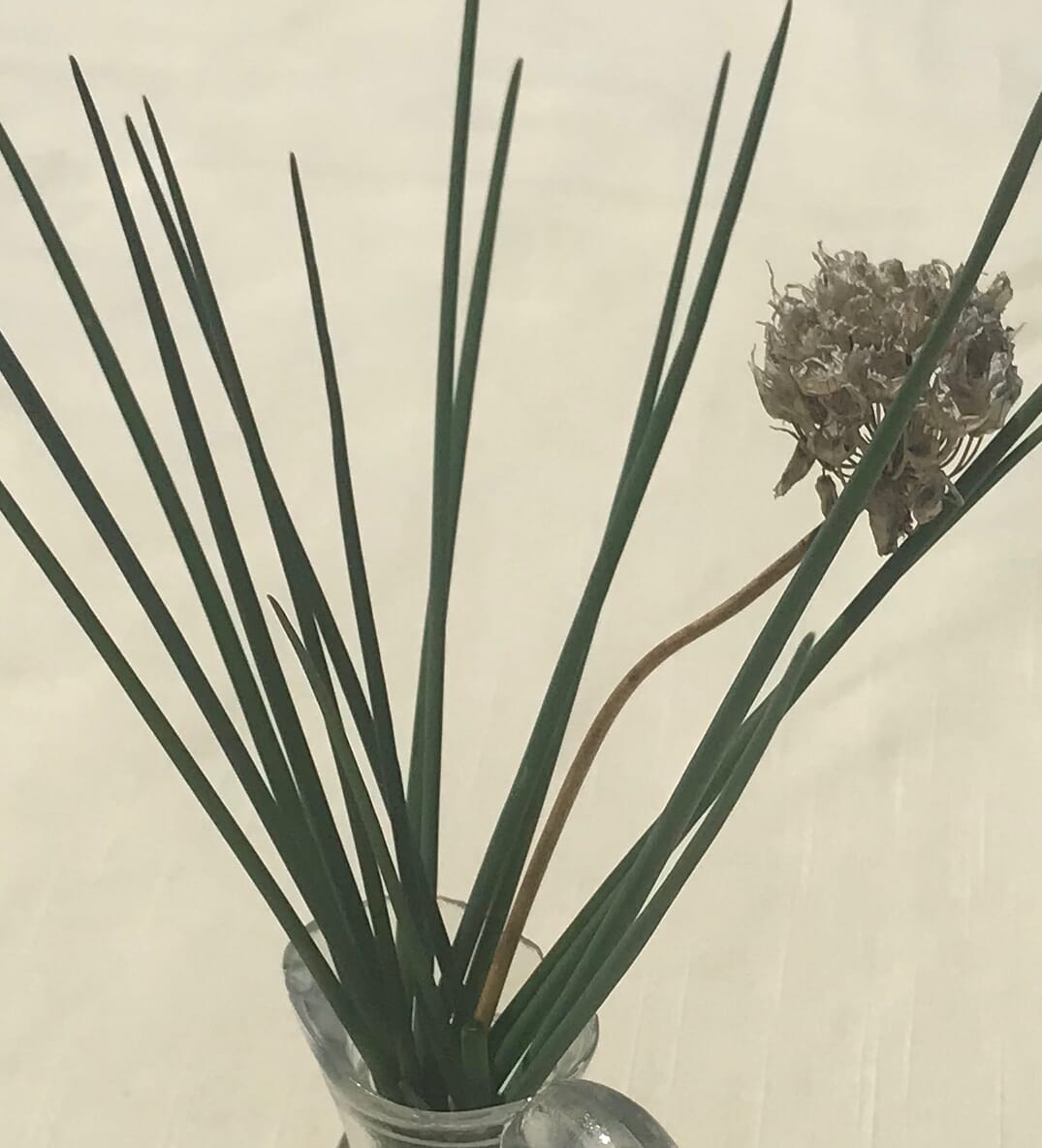
Chives– Chives are an important herb in the French kitchen and they have the most delicate onion flavor which make it a wonderful seasoning for many dishes.

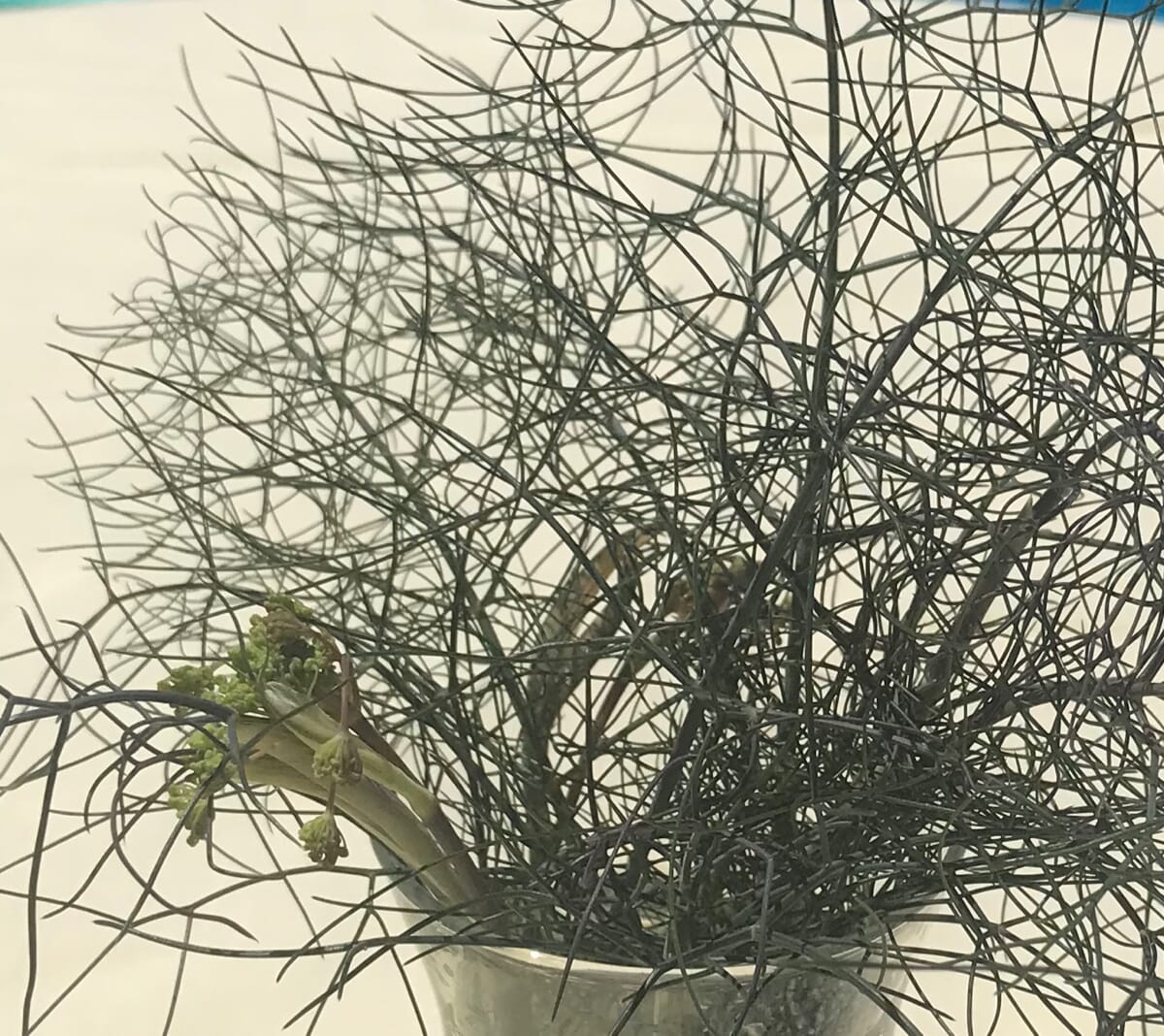
Fennel – Fennel is a beautiful tall and graceful perennial herb with fine feathery green leaves and bright yellow flowers. It looks very much like dill but the flavor is a sweet anise which is very different.

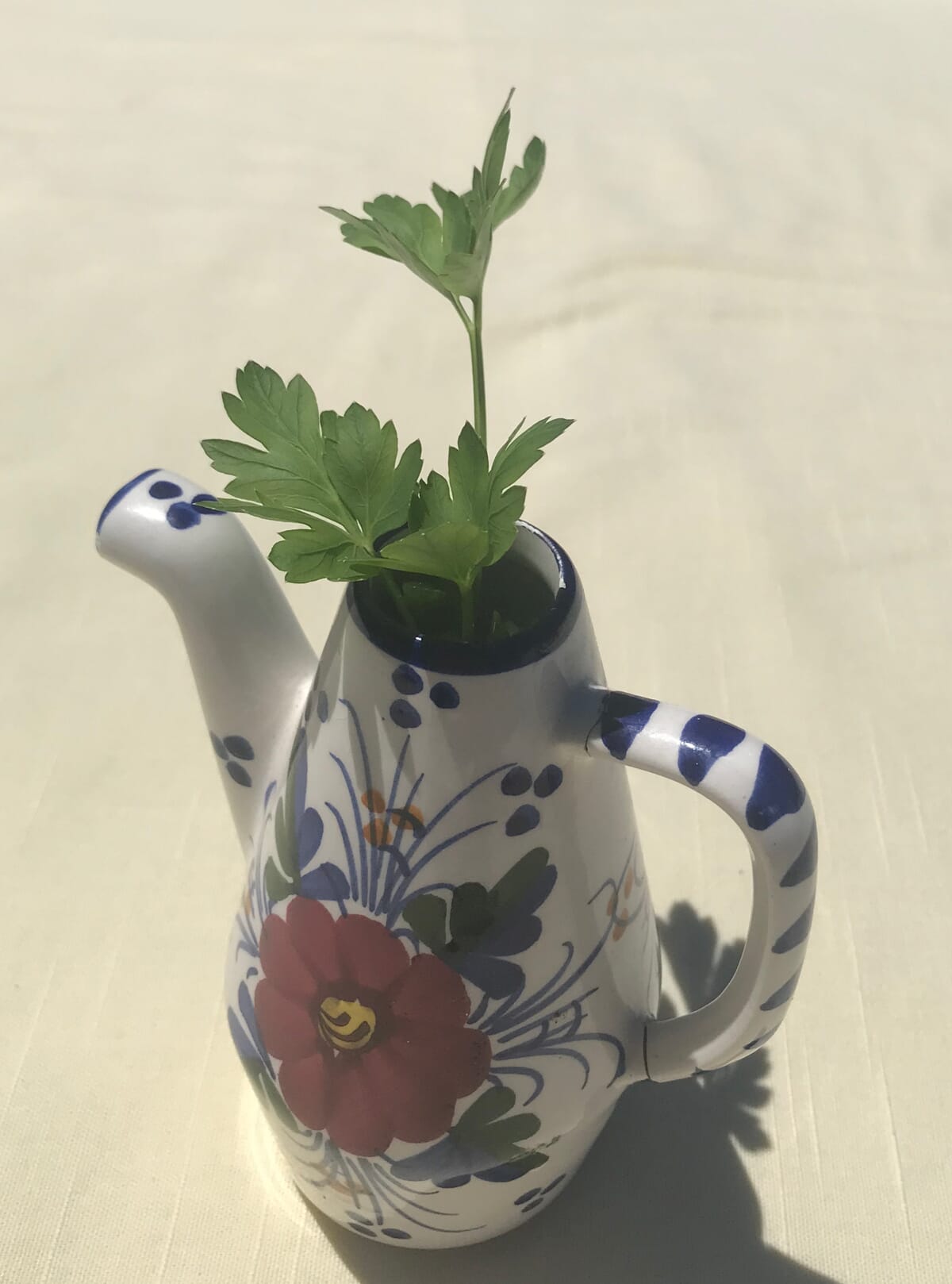
Parsley – All varieties of parsley are hardy biennials but mostly treated as annuals. Of course no herb garden would be complete without its parsley! The two most popular ones are the curly leaf parsley and the French or the flat leaf parsley which undoubtedly has the better flavor.

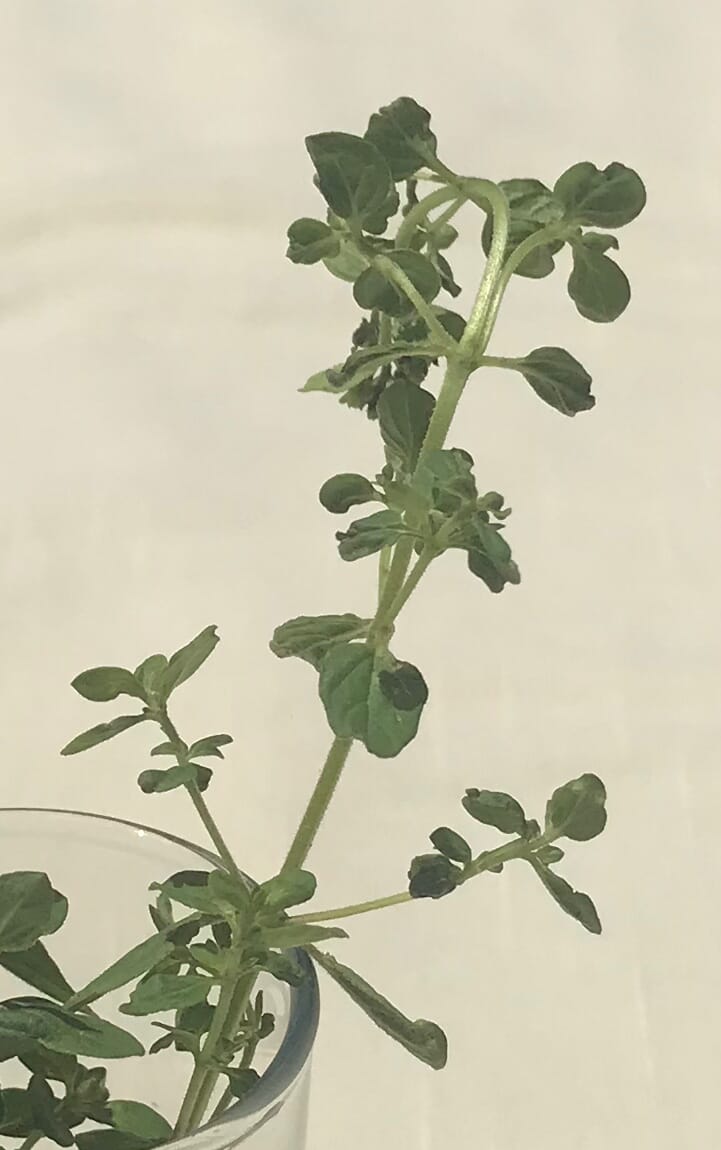
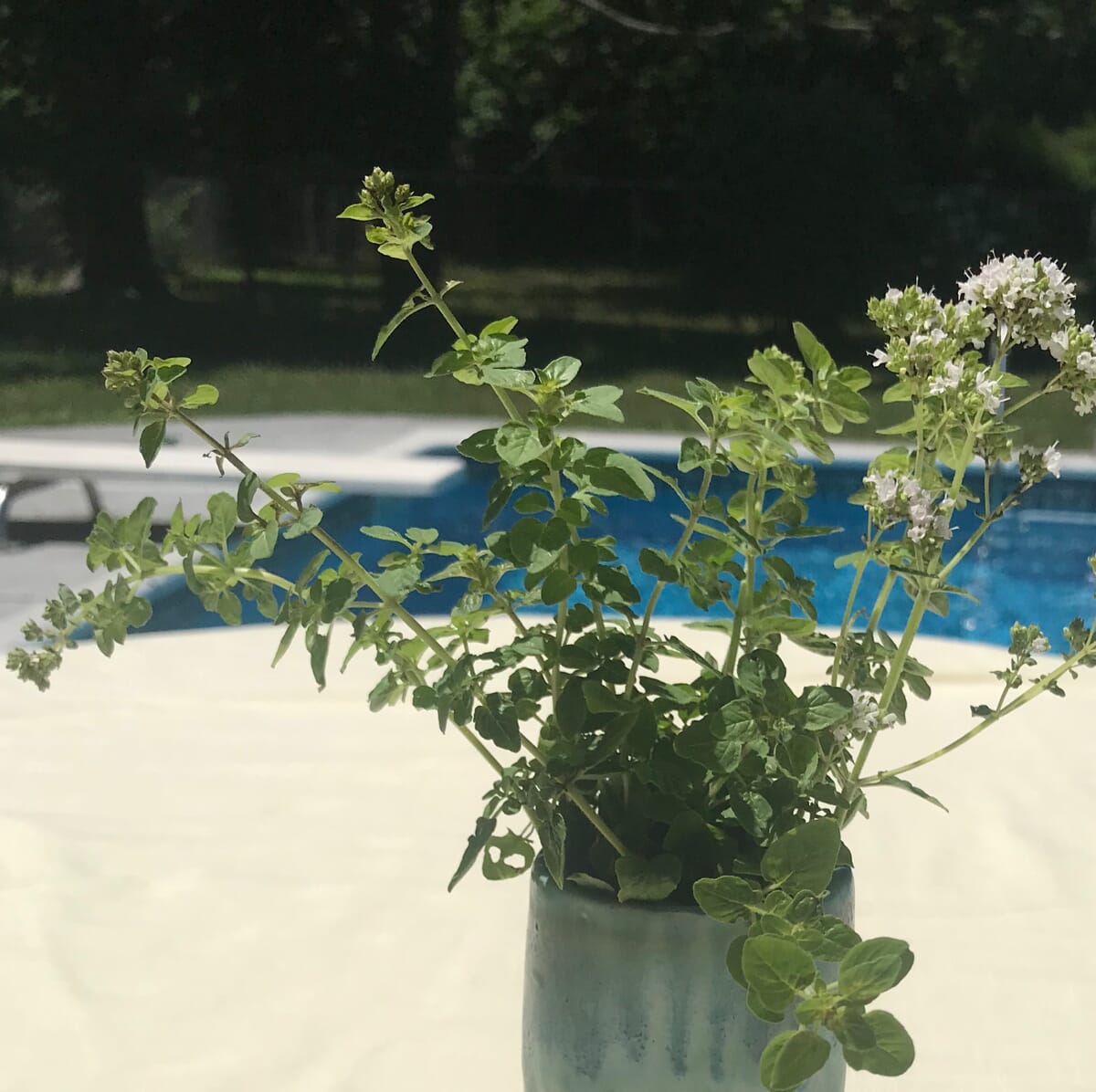
Oregano– Oregano is a culinary herb, used for the flavor of its leaves, which can be more flavorful when dried than fresh. Oregano’s most prominent modern use is as the staple herb of Italian-American cuisine. Its popularity in the U.S. began when soldiers returning from World War II brought back with them a taste for the “pizza herb”, which had probably been eaten in southern Italy for centuries.[13] There, it is most frequently used with roasted, fried, or grilled vegetables, meat, and fish. Oregano combines well with spicy foods popular in southern Italy. It is less commonly used in the north of the country, as marjoram generally is preferred.

No matter what you are making. No matter what you are cooking for. Fresh herbs will make it better!

If you enjoyed this blog and similar other stories/supper club lessons follow me on Facebook and Twitter and subscribe to get future blogs at www.impromptufridaynights.com/blog and check out my book Impromptu Friday Nights a Guide to Supper Clubs. Published by Morgan James Publishing and available through most channels where books are sold.
Fresh Herbs From The Garden 2

Nothing says summer more than fresh herbs from your garden. And, nothing adds to the color, flavor and presentation impact   of a dish like fresh herbs. It doesn’t matter if you are cooking for two or appetizers for twenty, make sure you add fresh herbs to your dish.

I always have a supply of herbs on hand. Summertime is great as many herbs are perennials that come back year after year and are plentiful.


(Maya garding the garden with fennel, sage and oregano in the background)

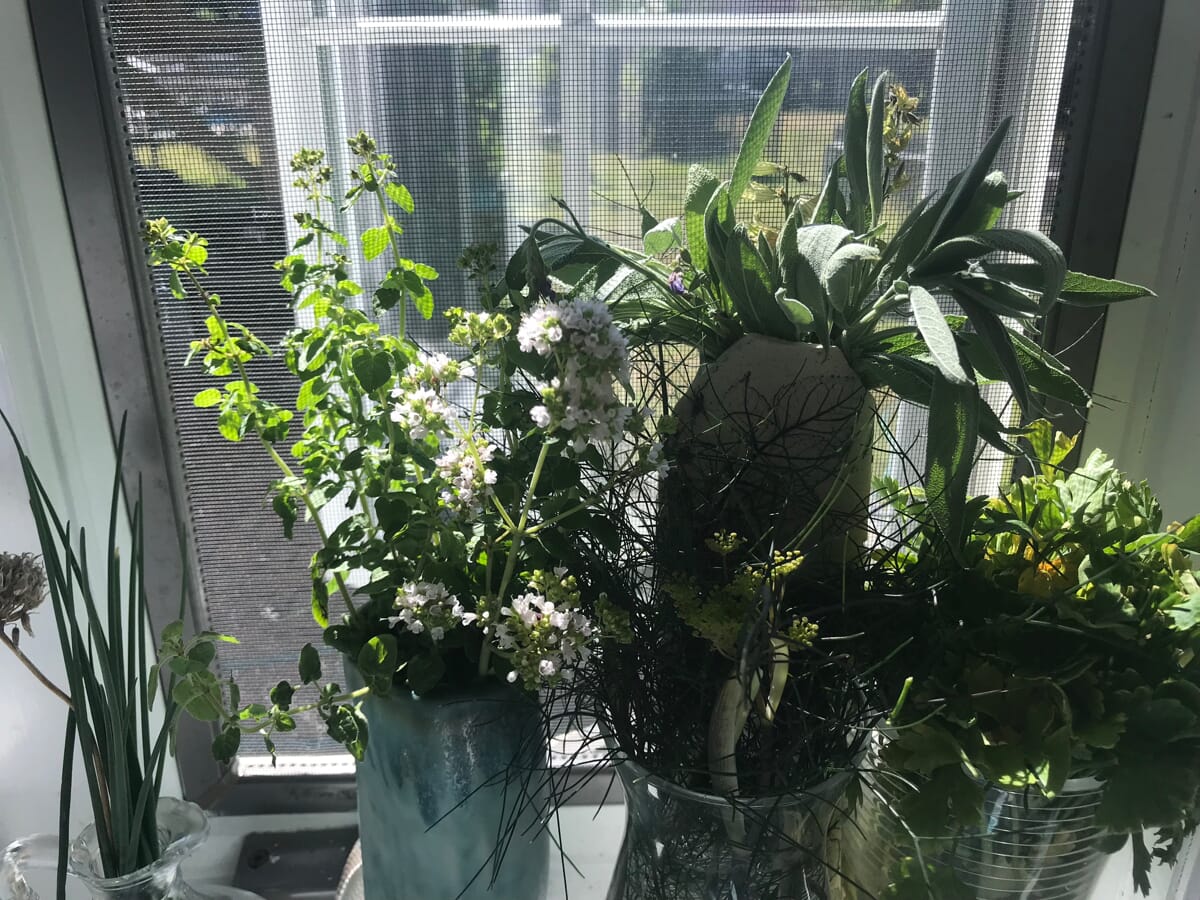
We even keep a few herbs growing in the windowsill through the winter. Whenever we entertain, I keep jarfuls of 2 or 3 herbs next to my prep area for use and a mixture of chopped herbs in a container as part of my mise en place.

(herbs on the windowsill)

I do have a confession to make, I haven’t always been a fresh herb fan. As a child I remember begging my mother not to ruin my plate of soup with parsley. My sister tells the story of taking her daughter Emily to a special restaurants and having her insist to the waiter that she didn’t want any green stuff on her food. I am proud to say that even the picky Emily recently sent me a picture of her grilled pizza creation with green stuff – fresh basil. Yeah Emily!

Some of the major herbs consist of:

Basil – There are numerous kinds of basil including spicy and sweet basil. Basil adds a unique flavor and character to many dishes. It’s usually mixed with tomatoes and other vegetables in French food. It also adds zest to pasta dishes and other delicacies.


French Tarragon – This smells like anise. It’s widely used in French seafood dishes. It blends well with the rich taste of fish, shrimp and other seafood, while adding a distinct and memorable flavor that makes the dish even more enticing.

Thyme – Thyme comes in many flavors and is a very versatile herb. It can add zesty flavor to a wide variety of stews, meats, soups, seafood, dressings, sauces and more. It can also be used in marinating meats and seafood so that when you cook them, it brings out the natural flavor of the dish while infusing its own distinct taste.


Sage – Sage has been around since the Roman times and is unique in that it’s one of the few herbs whose flavor gets stronger as it dries further. Its subtle but tasty flavor is great for salad dressings, soups and sauces. It’s best to add sage at the final stage of cooking.


Mint – Fresh mint adds that cool and refreshing flavor to any dish. Even water is made even better if you add some mint leaves.

Chives– Chives are an important herb in the French kitchen and they have the most delicate onion flavor which make it a wonderful seasoning for many dishes.

Fennel – Fennel is a beautiful tall and graceful perennial herb with fine feathery green leaves and bright yellow flowers. It looks very much like dill but the flavor is a sweet anise which is very different.

Parsley – All varieties of parsley are hardy biennials but mostly treated as annuals. Of course no herb garden would be complete without its parsley! The two most popular ones are the curly leaf parsley and the French or the flat leaf parsley which undoubtedly has the better flavor.

Oregano– Oregano is a culinary herb, used for the flavor of its leaves, which can be more flavorful when dried than fresh. Oregano’s most prominent modern use is as the staple herb of Italian-American cuisine. Its popularity in the U.S. began when soldiers returning from World War II brought back with them a taste for the “pizza herb”, which had probably been eaten in southern Italy for centuries.[13] There, it is most frequently used with roasted, fried, or grilled vegetables, meat, and fish. Oregano combines well with spicy foods popular in southern Italy. It is less commonly used in the north of the country, as marjoram generally is preferred.

No matter what you are making. No matter what you are cooking for. Fresh herbs will make it better!

If you enjoyed this blog and similar other stories/supper club lessons follow me on Facebook and Twitter and subscribe to get future blogs at www.impromptufridaynights.com/blog and check out my book Impromptu Friday Nights a Guide to Supper Clubs. Published by Morgan James Publishing and available through most channels where books are sold.